Industrial cleaning is a complex process that goes beyond simple soap and water. Whether in manufacturing plants, hospitals, food processing facilities, or automotive workshops, the effectiveness of a detergent depends on a combination of chemical composition, application methods, and environmental factors. But what exactly makes a detergent effective? Understanding the science behind industrial cleaning can help businesses choose the right products for their needs while ensuring efficiency, safety, and sustainability.
An industrial detergent is a specially formulated cleaning agent designed to remove dirt, grease, oil, and other contaminants from surfaces. Unlike household detergents, which are milder, industrial detergents must tackle tougher residues such as heavy grease, industrial oils, biofilms, and chemical deposits. These detergents are used in various sectors, including healthcare, food production, automotive, and manufacturing industries.
At its core, cleaning is a chemical process that involves breaking down contaminants so they can be washed away. Industrial detergents rely on surfactants, solvents, pH adjusters, and other chemical agents to effectively remove dirt. Understanding the role of these components is key to determining how effective a detergent will be.
Surfactants (surface-active agents) are the primary cleaning agents in detergents. They lower the surface tension of water, allowing it to spread across surfaces and lift away dirt. There are four main types of surfactants:
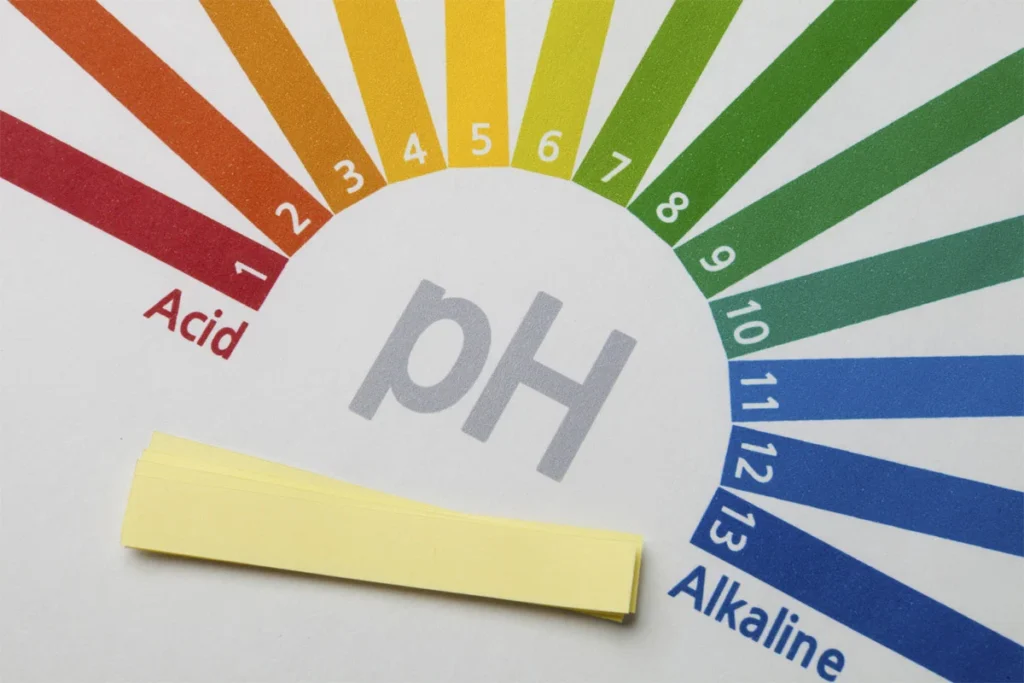
The effectiveness of a detergent is heavily influenced by its pH level. Different types of dirt and residues respond better to either acidic or alkaline solutions.
Enzymes are biological catalysts that help break down organic matter, making them an eco-friendly option in industrial cleaning. Different enzymes target specific types of contaminants:
Solvents dissolve stubborn contaminants such as tar, paint, adhesives, and grease. Industrial detergents use different types of solvents, including:
Heat speeds up chemical reactions, making detergents more effective. In industrial cleaning, hot water or steam is often used to enhance detergent performance, especially when dealing with greasy or sticky residues. However, excessive heat can damage sensitive surfaces or deactivate certain enzymes.
Contact time plays a crucial role in cleaning efficiency. Some detergents need time to break down contaminants before they can be wiped or rinsed away. Industrial cleaning protocols often include specific dwell times for maximum effectiveness.
In many industrial settings, detergents are combined with mechanical action such as scrubbing, pressure washing, or ultrasonic cleaning. This physical agitation helps break apart stubborn grime and speeds up the cleaning process.
Hard water contains minerals like calcium and magnesium, which can interfere with detergent performance. Industrial detergents often include water softeners or chelating agents to counteract this issue.
Not all detergents work on all surfaces. Some industrial materials, such as stainless steel, plastics, and rubber, require specific formulations to prevent damage. Using the wrong detergent can lead to corrosion, discoloration, or material degradation.
Cleaning in food processing plants requires detergents that remove organic matter while being safe for food contact surfaces. Enzyme-based cleaners, alkaline degreasers, and sanitizing detergents are commonly used.
These detergents are formulated to remove oil, grease, carbon buildup, and metal shavings. They often include strong surfactants, solvents, and corrosion inhibitors to protect metal surfaces.
Medical environments require detergents with antimicrobial properties to kill bacteria, viruses, and fungi. Many of these are combined with disinfectants like hydrogen peroxide, quaternary ammonium compounds, or chlorine-based agents.
With increasing environmental concerns, many industries are shifting towards green cleaning solutions. These detergents use biodegradable surfactants, plant-based solvents, and enzyme formulations to reduce chemical waste and toxicity.
The effectiveness of an industrial detergent is determined by its chemical composition, application method, and environmental conditions. Surfactants, pH adjusters, enzymes, and solvents each play a role in breaking down dirt, grease, and other contaminants. Factors like temperature, dwell time, water hardness, and mechanical action further influence the cleaning process. Choosing the right industrial detergent requires an understanding of these elements to ensure optimal cleaning performance while maintaining safety and sustainability. Whether in food processing, healthcare, automotive, or heavy manufacturing, using the correct detergent can significantly enhance efficiency, prolong equipment lifespan, and meet industry standards.
Wata Detergent prides itself as a leading manufacturer of high-quality cleaning solutions for businesses in different industries. We have in-depth expertise and are committed to innovation in developing products that deliver exceptional performance, ensuring hygiene and cleanliness standards are met with precision and efficiency.
© 2025 Copyright Wata Detergents . All Rights Reserved.

© 2025 Copyright Wata Detergents . All Rights Reserved.