Industrial hygiene involves the identification, evaluation, and control of environmental factors that could affect workers’ health. Without proper sanitation measures, workplaces can quickly become breeding grounds for bacteria, mold, and other harmful contaminants. In industries such as food production, pharmaceuticals, and healthcare, maintaining high sanitation standards is legally mandated to prevent contamination and ensure public health safety.
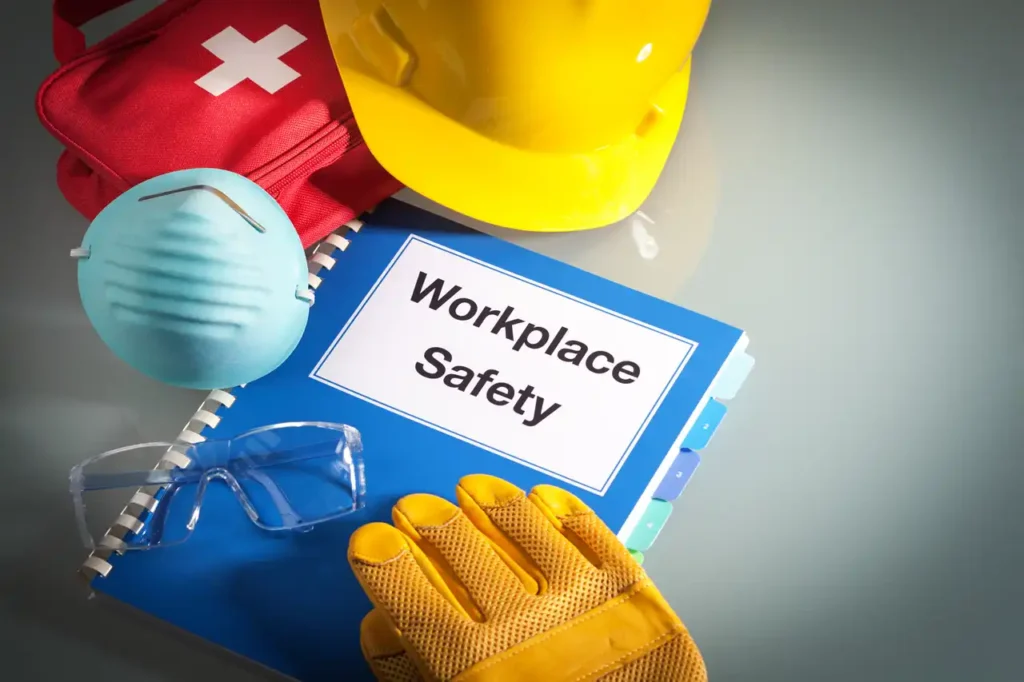
Workplace safety is another critical aspect of industrial hygiene. Slippery floors, chemical exposure, and airborne contaminants can all contribute to occupational hazards. Proper cleaning practices, supported by effective industrial detergents, can significantly reduce these risks and create a safer work environment.
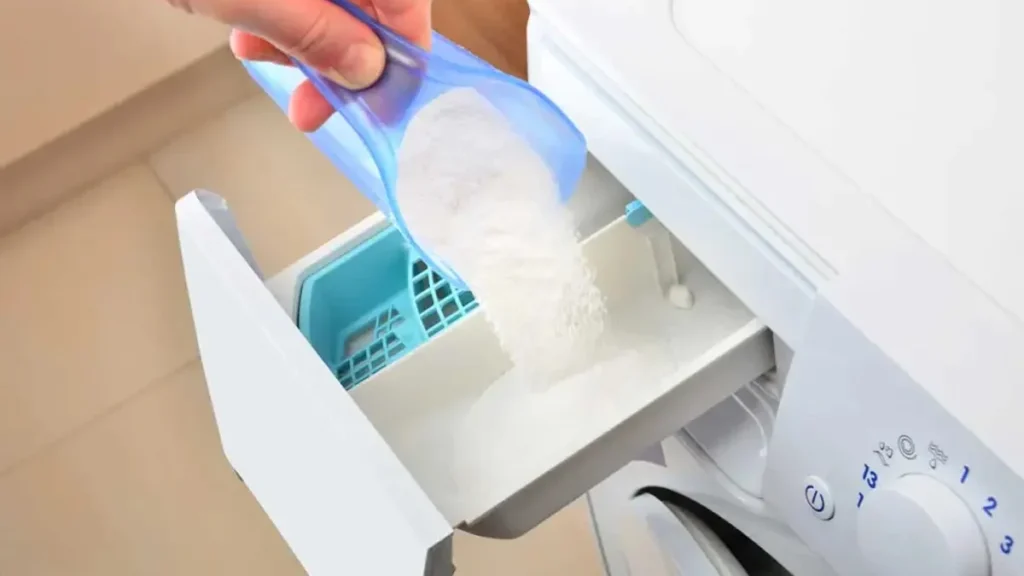
Unlike regular household cleaners, industrial detergents are specifically formulated to tackle tough stains, grease, and microbial contamination in demanding environments. These detergents contain powerful surfactants, enzymes, and disinfectants designed to break down and remove dirt at a molecular level.
Industrial detergents work through a process called emulsification, where oils and fats are broken down into smaller particles that can be easily washed away. Many industrial-grade cleaners also contain antimicrobial agents that kill bacteria, viruses, and fungi, reducing the risk of infections and workplace illnesses.
One of the primary roles of industrial detergents is to enhance workplace hygiene. A clean environment minimizes the spread of diseases, protects product integrity, and ensures compliance with health regulations. Various industries rely on these powerful cleaning agents to maintain hygiene in different ways:
In food processing plants, hygiene is paramount to prevent contamination and foodborne illnesses. Industrial detergents specifically formulated for food-grade surfaces help eliminate bacteria, mold, and residues left behind by food products. Without these detergents, businesses risk violating health codes, leading to potential shutdowns and reputational damage.
The hospitality industry also relies heavily on industrial detergents for kitchen and dining area cleanliness. From degreasers used in restaurant kitchens to sanitizing solutions for tables and countertops, these cleaning products ensure a safe and hygienic dining experience for customers.
Hospitals, clinics, and pharmaceutical manufacturing units require strict hygiene protocols to prevent the spread of infections and cross-contamination. Industrial detergents with hospital-grade disinfectants are used to sanitize operating rooms, patient wards, and laboratory equipment. These powerful cleaning agents eliminate pathogens such as MRSA, E. coli, and influenza viruses, safeguarding both patients and healthcare workers.
In pharmaceutical manufacturing, cleanliness is essential to prevent contamination of medicinal products. Industrial detergents help maintain sterile conditions in production areas, ensuring that medicines and medical devices meet stringent quality standards.
Aside from hygiene, industrial detergents contribute significantly to workplace safety by reducing hazards associated with dirt, grease, and chemical buildup.
Slippery floors are one of the leading causes of workplace accidents. Industrial-strength floor cleaners remove oil, grease, and other slippery substances, reducing the risk of slips and falls. In industrial settings such as automotive workshops and warehouses, using the right detergents helps maintain traction on floors and enhances overall safety.
Many industries handle hazardous chemicals that require specialized cleaning solutions to ensure safety. Industrial detergents formulated to neutralize or safely remove toxic substances play a crucial role in preventing chemical exposure and contamination. For example, spill response teams use specialized industrial cleaners to contain and clean up hazardous spills in laboratories and manufacturing facilities.
Poor air quality caused by dust, mold, and chemical fumes can lead to respiratory problems and long-term health issues for workers. Industrial detergents with anti-dust formulations and mold inhibitors help maintain clean air in enclosed workspaces. Regular cleaning with these products minimizes airborne contaminants, improving overall workplace health.
Selecting the right industrial detergent depends on the specific cleaning needs of a workplace. Factors such as the type of contaminants, surface materials, and industry regulations all play a role in determining the most effective cleaning solution.
Different surfaces require different cleaning agents. For instance, stainless steel surfaces in food processing plants require non-corrosive detergents, while industrial machinery may need heavy-duty degreasers. Understanding surface compatibility ensures effective cleaning without causing damage.
With growing concerns about environmental impact, many businesses are opting for eco-friendly industrial detergents. Biodegradable and non-toxic cleaning solutions minimize harm to both workers and the environment. Choosing green cleaning products also helps organizations comply with sustainability regulations and corporate responsibility initiatives.
Certain industries have strict hygiene and safety regulations that dictate the type of cleaning products that can be used. For example, the food and beverage industry must comply with HACCP (Hazard Analysis and Critical Control Points) guidelines, while hospitals follow CDC and WHO-recommended cleaning protocols. Using industrial detergents that meet regulatory requirements ensures compliance and minimizes legal risks.
While industrial detergents are powerful cleaning agents, their effectiveness depends on proper usage. Employee training is essential to ensure that cleaning staff understand how to use these detergents safely and efficiently. This includes proper dilution ratios, application techniques, and safety precautions.
Employers should also provide workers with personal protective equipment (PPE) such as gloves, masks, and goggles when handling industrial-strength detergents. Safety data sheets (SDS) should be readily available to inform employees about the potential hazards and safe handling procedures of cleaning chemicals.
Industrial detergents play a vital role in maintaining workplace hygiene and safety across various industries. From preventing the spread of infections in healthcare settings to reducing slip hazards in factories, these powerful cleaning agents contribute to a healthier and safer work environment. Choosing the right detergents, adhering to industry regulations, and training employees in proper cleaning procedures are all crucial steps in enhancing workplace cleanliness and safety. By investing in high-quality industrial detergents and effective cleaning protocols, businesses can protect their workforce, comply with health regulations, and create a more productive work environment.
Wata Detergent prides itself as a leading manufacturer of high-quality cleaning solutions for businesses in different industries. We have in-depth expertise and are committed to innovation in developing products that deliver exceptional performance, ensuring hygiene and cleanliness standards are met with precision and efficiency.
© 2025 Copyright Wata Detergents . All Rights Reserved.

© 2025 Copyright Wata Detergents . All Rights Reserved.