Cleaning agents play a crucial role in maintaining hygiene, removing dirt, and ensuring safe and effective sanitation. However, not all cleaning products are created equal. One of the most important factors determining a detergent’s effectiveness is its pH balance. The pH level of a cleaning agent can impact how well it removes stains, interacts with different surfaces, and ensures safety in various environments. Understanding the science behind pH balance can help businesses and individuals select the best cleaning solutions for their needs.
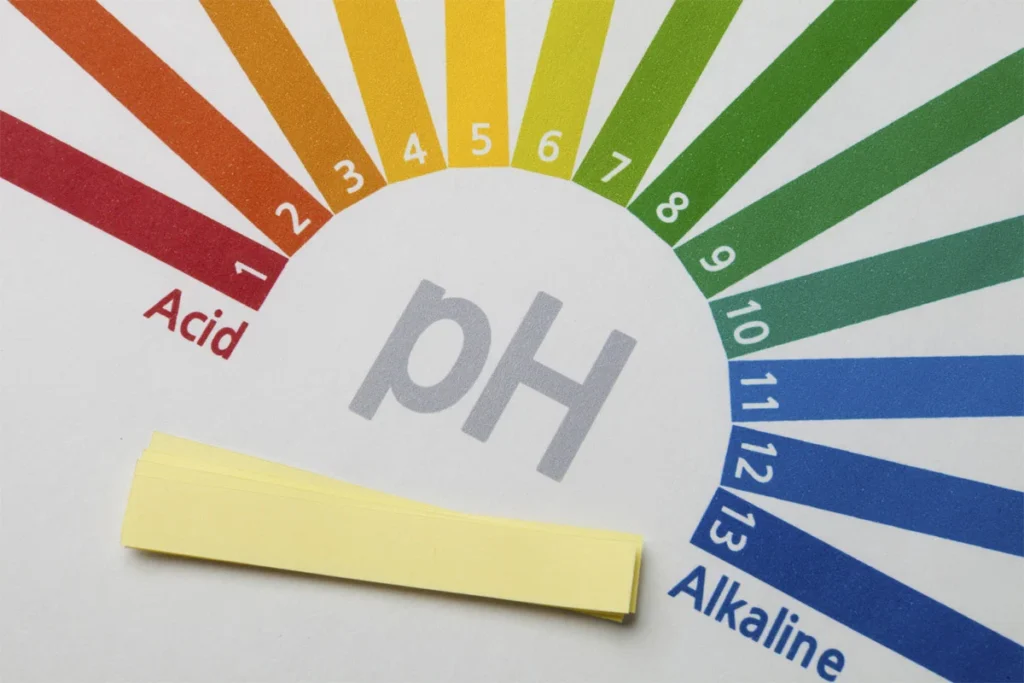
The term pH stands for “potential of hydrogen” and refers to the acidity or alkalinity of a substance. It is measured on a scale from 0 to 14, where:
Cleaning agents are formulated with specific pH levels to target different types of dirt, grime, and stains. Using the right pH-balanced cleaner ensures effective cleaning while preventing damage to surfaces.
Different types of dirt and stains respond best to specific pH levels:
Choosing the right pH level ensures that cleaning agents break down contaminants efficiently, reducing the need for excessive scrubbing or repeated cleaning.
Using the wrong pH level can damage surfaces over time. For example:
Matching the pH level to the surface material ensures long-term protection and prevents costly repairs or replacements.
Certain pH levels can pose health risks if not handled properly:
Ensuring that cleaning agents are safe for both users and the environment is essential in industries like food service, healthcare, and childcare.
Acidic cleaners are designed to break down mineral deposits, calcium buildup, and rust stains. They are commonly used in:
Key Benefits:
Caution: Avoid using acidic cleaners on marble, granite, and sensitive metals, as they may cause damage.
Neutral pH cleaners are gentle yet effective, making them suitable for regular cleaning without harming surfaces. They are widely used in:
Key Benefits:
Caution: While neutral cleaners are versatile, they may not be strong enough for heavy-duty degreasing or stain removal.
Alkaline cleaners are powerful degreasers, ideal for breaking down oils, proteins, and organic waste. They are commonly used in:
Key Benefits:
Caution: Highly alkaline cleaners can damage glass, painted surfaces, and delicate materials if used excessively.
Understanding pH balance in cleaning agents is essential for choosing the right product for every cleaning task. The effectiveness, safety, and environmental impact of a detergent depend on its pH level, making it crucial to select a cleaner that aligns with your specific cleaning needs.
By considering surface type, safety factors, and environmental impact, businesses and individuals can make informed decisions, ensuring optimal cleanliness, cost-effectiveness, and long-term protection of materials and surfaces.
Wata Detergent prides itself as a leading manufacturer of high-quality cleaning solutions for businesses in different industries. We have in-depth expertise and are committed to innovation in developing products that deliver exceptional performance, ensuring hygiene and cleanliness standards are met with precision and efficiency.
© 2025 Copyright Wata Detergents . All Rights Reserved.

© 2025 Copyright Wata Detergents . All Rights Reserved.