Selecting the right detergent for your business is more than just a matter of preference—it directly impacts efficiency, hygiene, operational costs, and sustainability. Whether you run a restaurant, hospital, manufacturing plant, or commercial cleaning service, using the right detergent ensures superior cleanliness, protects equipment, and maintains compliance with industry regulations. But with so many options available, how do you make the right choice? This guide breaks down everything you need to know about choosing the best detergent for your business.
Using the wrong detergent can lead to inadequate cleaning, damage to surfaces and equipment, increased costs, and even health risks. A well-chosen detergent:
Before selecting a detergent, it’s essential to evaluate your business’s specific cleaning needs. The right choice depends on factors like the type of contaminants you need to remove, the materials you’re cleaning, and the level of hygiene required.
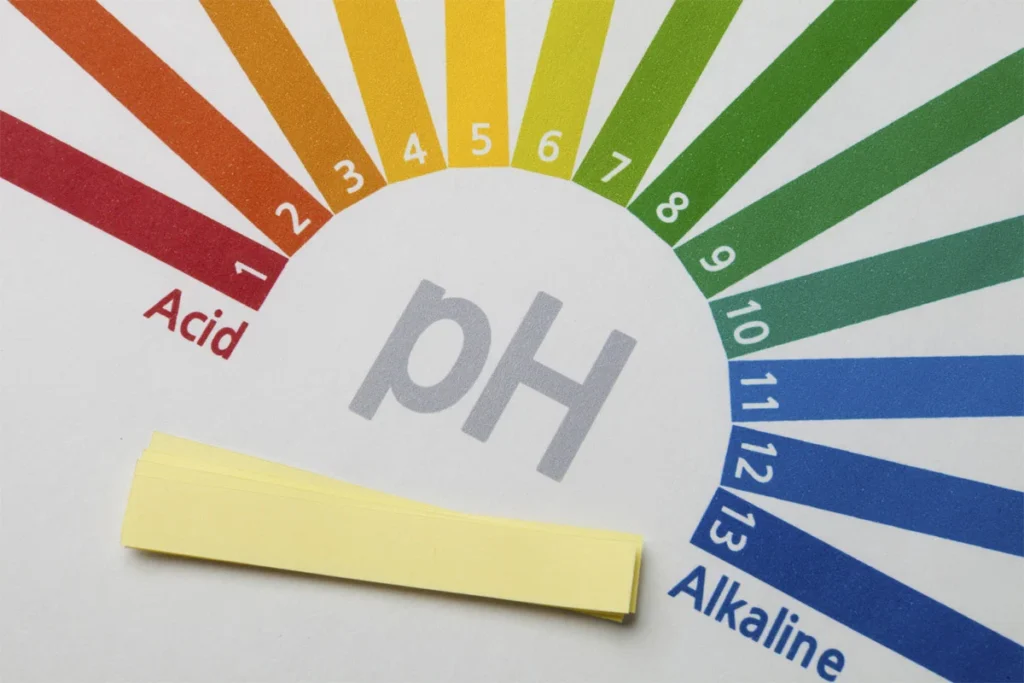
Alkaline detergents are powerful cleaners designed to break down fats, oils, and proteins. They are commonly used in:
✔ Strong grease-cutting power
✔ Effective at high temperatures
✔ Ideal for commercial dishwashers and degreasing applications
Acidic detergents are designed to remove mineral deposits, rust, and scale buildup. These are frequently used in:
✔ Removes mineral scale and rust
✔ Effective in low temperatures
✔ Safe for stainless steel and non-porous surfaces
Enzymatic detergents contain biological agents that break down organic stains without harsh chemicals. These detergents are widely used in:
✔ Biodegradable and eco-friendly
✔ Works well at lower temperatures
✔ Targets specific stains like proteins, starches, and fats
Neutral pH detergents are mild, making them perfect for surfaces that can’t tolerate harsh chemicals. They are used in:
✔ Safe for most surfaces
✔ Non-corrosive and non-irritating
✔ Leaves no harsh residues
Food processing plants, restaurants, and catering services require detergents that comply with food safety regulations. Look for:
Hospitals, clinics, and laboratories need detergents that not only clean but also disinfect. Essential features include:
Garages, workshops, and factories require powerful degreasers that can break down heavy-duty grime. Ideal detergents should have:
Hotels, malls, and office buildings need versatile cleaning solutions for floors, bathrooms, and guest areas. Look for:
Many businesses are prioritizing sustainability by using detergents with biodegradable ingredients. These detergents break down naturally, reducing their impact on water systems and ecosystems.
Innovative detergents require less water for rinsing, helping businesses reduce their overall water consumption. This is especially beneficial in high-volume cleaning operations.
Phosphate-free detergents prevent water pollution and help businesses comply with environmental regulations. Choosing non-toxic formulations also improves workplace safety.
Partner with a supplier that understands your industry’s unique cleaning challenges. A good supplier will offer:
Some businesses require specialized detergents for unique cleaning challenges. Look for suppliers that offer:
While price is important, choosing the cheapest detergent can lead to hidden costs in labor, damage, or ineffective cleaning. Consider:
Choosing the right detergent for your business is a crucial decision that impacts cleaning efficiency, compliance, and cost-effectiveness. By understanding the different types of detergents and their industry applications, you can make an informed choice that aligns with your business needs. Whether you require heavy-duty degreasers, food-safe sanitizers, or eco-friendly solutions, selecting the best detergent will enhance your cleaning processes and overall operational success.
Wata Detergent prides itself as a leading manufacturer of high-quality cleaning solutions for businesses in different industries. We have in-depth expertise and are committed to innovation in developing products that deliver exceptional performance, ensuring hygiene and cleanliness standards are met with precision and efficiency.
© 2025 Copyright Wata Detergents . All Rights Reserved.

© 2025 Copyright Wata Detergents . All Rights Reserved.